
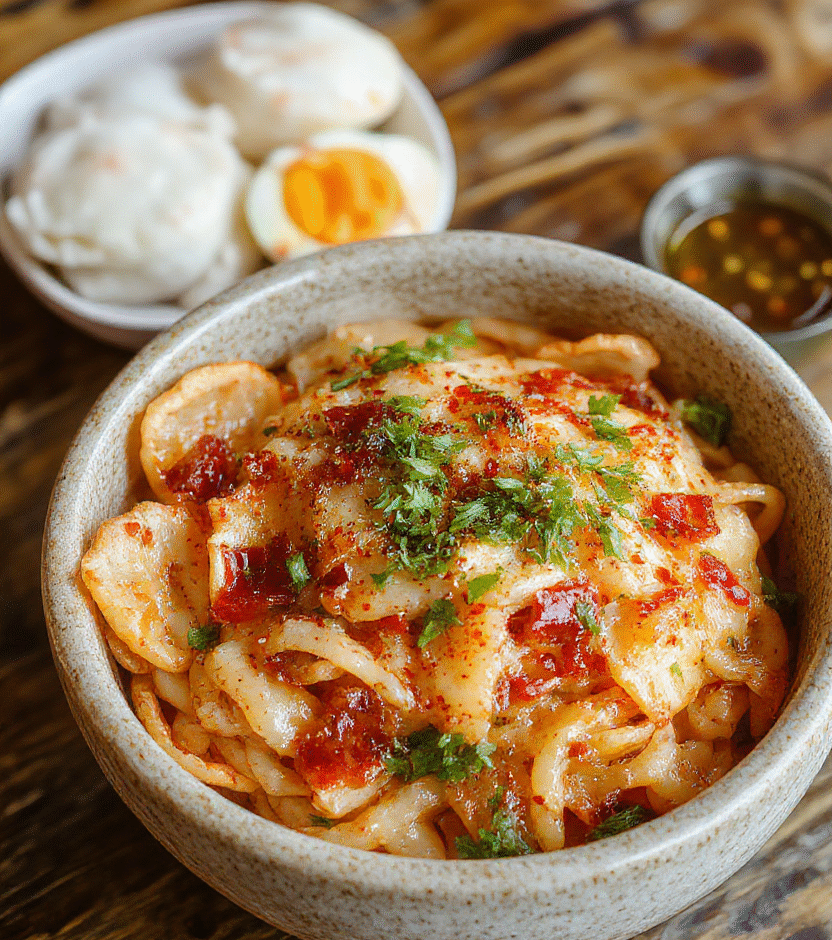
© Original Recipe By Serena’s Delights ©
🍜 Flavorful Japchae Noodles for a Quick Weeknight Dinner
1. Introduction
Discover the magic of Japchae Noodles, a beloved Korean stir-fry dish renowned for its glossy, chewy texture and vibrant flavors. This recipe elevates traditional stir-fry noodles with a savory-sweet sauce, tender vegetables, and perfectly seasoned meat or tofu—making it ideal for busy weeknights. Whether you’re a seasoned cook or a curious foodie, mastering this veggie japchae offers a delicious way to enjoy a quick, satisfying meal that bursts with flavor.
2. Why You’ll Love This Recipe
- Ready in just 30 minutes, perfect for busy schedules.
- Vegetarian options easily incorporated with tofu or extra vegetables.
- One-pan cooking minimizes cleanup and maximizes flavor.
- Rich in textures—crisp vegetables, chewy noodles, and savory sauce.
- Contains nutritious ingredients that are visually appealing and satisfying.
3. Ingredient Notes
For a truly authentic Japchae Noodles experience, selecting high-quality ingredients makes all the difference. Korean glass noodles made from sweet potato starch (also known as Vietnamese or stir-fry noodles) are prized for their translucent, elastic quality. I recommend choosing freshly dried noodles from reputable brands for the best texture.
Flavorful additions like garlic and onion enhance the savory notes, while a splash of soy sauce and sesame oil delivers authentic Korean flavor. For added depth, consider using toasted sesame seeds and Korean chili paste.
4. Kitchen Tools You Need
Efficiently making Japchae Noodles is much easier with the right tools. A Compact 6-in-1 Digital Air Fryer can quickly crisp vegetables or tofu, giving a roasted flavor that complements the dish. For stir-frying, a quality nonstick skillet like the T-fal 14-Piece Hard Anodized Nonstick Cookware Set ensures even heat and easy cleanup. A good pair of tongs, a large wooden spoon, and a strainer are also essential to handle noodles and toppings effortlessly.
5. How to Make Japchae Noodles
Preparation of Noodles and Vegetables
Begin by soaking the Korean glass noodles in warm water for about 20 minutes until they turn translucent and become tender. Drain and set aside. While soaking, julienne vegetables like carrots, bell peppers, and spinach; these should be crunchy but slightly wilted once cooked. The aroma of garlic and sesame oil should fill your kitchen during this process, signaling that flavor development has begun.
Cooking the Noodles and Sauce
- Heat a tablespoon of sesame oil in a large skillet or wok over medium-high heat. Add chopped garlic and sauté until fragrant, about 30 seconds. The garlic should be aromatic and slightly golden.
- Add the vegetables, stir-frying for 3-4 minutes until slightly tender yet crisp. These should emit a fresh, colorful visual appeal and a gentle sizzle.
- Next, add your soaked noodles to the pan, tossing gently to combine with the vegetables. Pour in a sauce made from soy sauce, sugar, and a dash of Korean chili paste for authentic flavor.
- Stir continuously until the noodles are coated evenly and heated through, about 2 minutes. The noodles should shine with a glossy appearance, inviting your taste buds.
Final Touches
Finish with a sprinkle of toasted sesame seeds and chopped green onions. Serve hot for a delightful bowl that captures the essence of Korean cuisine. The dish offers a harmonious balance of savory, sweet, and umami flavors, complemented by the nutty aroma of sesame.
6. Expert Tips for Success
- Use freshly prepared noodles for the best chewy texture—avoid overcooking them to prevent mushiness.
- Prepping your vegetables in advance ensures a quick stir-fry process, keeping everything crisp.
- To prevent sticking, toss the noodles and vegetables quickly once coated with sauce and avoid over-soaking the noodles.
- For a protein boost, add thinly sliced beef, chicken, or tofu early in the stir-fry process.
7. Variations & Substitutions
If you’re vegetarian or vegan, swap out meat with tofu, tempeh, or additional vegetables like zucchini and mushrooms. For gluten-free options, verify that your soy sauce is gluten-free or use coconut aminos. You can also experiment with different vegetables depending on the season or your preference, such as broccoli florets or snap peas.
8. Storage & Reheating
Store leftovers in an airtight container in the refrigerator for up to 2 days. Reheat in a skillet over medium heat, adding a splash of water or sesame oil to revive the glossy texture. Avoid microwaving for too long as noodles can become mushy, compromising their signature chewy bite.
9. FAQ
Q: Can I make this dish ahead of time?
Yes, but it’s best to keep the noodles separate from the vegetables and sauce until ready to serve to prevent them from becoming soggy. Assemble and reheat just before eating for optimal taste and texture.
Q: What are the authentic ingredients for Japchae Noodles?
The key ingredients include sweet potato starch noodles, soy sauce, sesame oil, garlic, and a variety of colorful vegetables. Using Korean chili paste (gochujang) adds a traditional spicy kick, but optional based on your heat preference.
Q: What are the best vegetables to include for flavor and texture?
Bell peppers, spinach, carrots, and onions are classic choices. Feel free to add mushrooms or zucchini for extra nutrients and flavor complexity.
Q: How do I prevent the noodles from sticking?
Ensure noodles are thoroughly rinsed and drained after soaking, and toss them quickly in the hot pan with oil and sauce. Stir continuously to prevent clumping.
10. Conclusion
This Flavorful Japchae Noodles recipe is a quick, versatile, and delicious way to enjoy Korean stir-fry noodles anytime. With its delightful chewiness, colorful vegetables, and savory sauce, it’s sure to become a weekly favorite. Try customizing it with your preferred ingredients and savor a bowl of authentic, comforting goodness in less than 30 minutes!
Print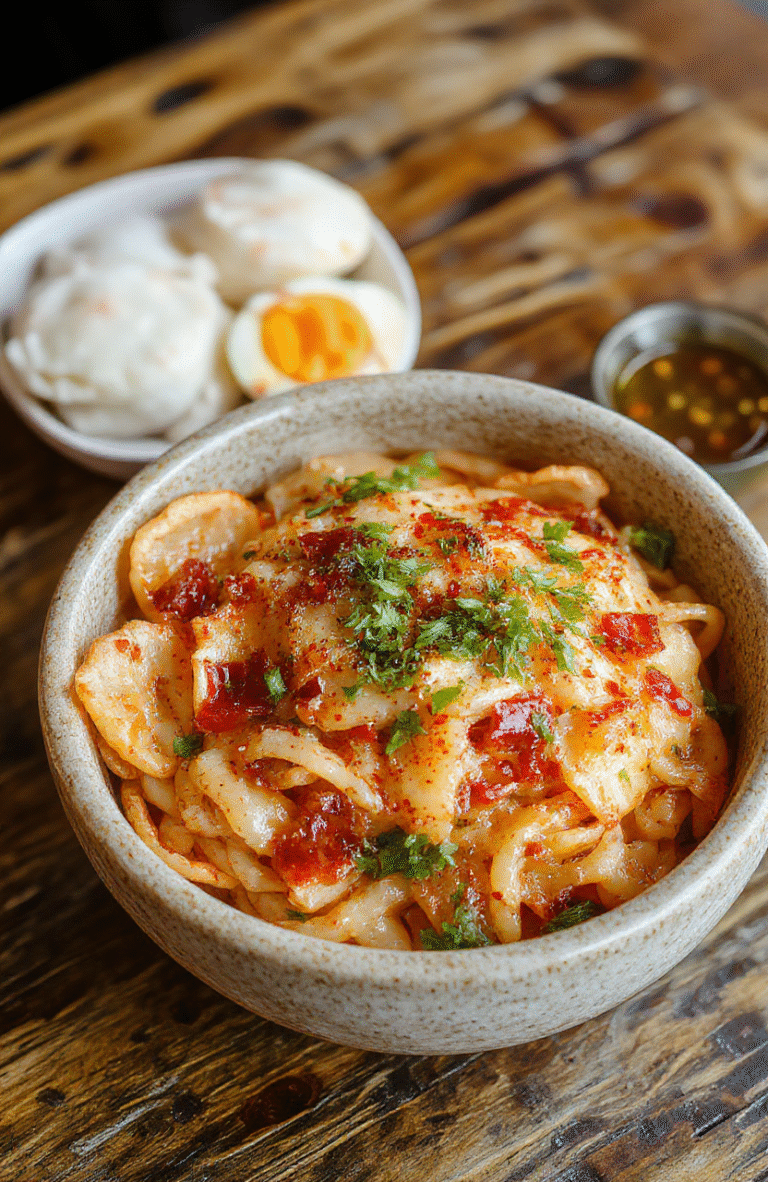
Flavorful Japchae Noodles for a Quick Weeknight Dinner
A quick and flavorful stir-fried noodle dish made with Korean glass noodles, vegetables, and beef or tofu, seasoned with soy sauce and sesame oil.
- Total Time: 25 minutes
- Yield: 4 servings 1x
Ingredients
- 200g glass noodles (dangmyeon)
- 1 tablespoon vegetable oil
- 2 cloves garlic, minced
- 1 cup julienned carrots
- 1 cup thinly sliced bell peppers
- 1/2 cup sliced green onions
- 100g thinly sliced beef or tofu (optional)
- 3 tablespoons soy sauce
- 1 tablespoon sesame oil
- 1 teaspoon sugar
- 1 teaspoon toasted sesame seeds
Instructions
- Cook the glass noodles in boiling water according to package instructions. Drain and set aside.
- Heat vegetable oil in a large pan over medium heat. Add garlic and cook until fragrant.
- Add beef or tofu if using, cook until browned.
- Stir in carrots and bell peppers, cook for 2-3 minutes.
- Add cooked noodles, soy sauce, sesame oil, and sugar. Toss until well coated and heated through.
- Serve topped with sliced green onions and toasted sesame seeds.
Notes
- You can substitute beef with chicken or keep it vegetarian with more vegetables or mushrooms.
- Adjust soy sauce and sesame oil for desired saltiness and flavor.
- Prep Time: 10 minutes
- Cook Time: 15 minutes
- Method: Stir-fry
- Cuisine: Korean
- Diet: Vegetarian option available
Nutrition
- Serving Size: 1 cup
- Calories: 280 Kcal
- Sugar: 5g
- Sodium: 750mg
- Fat: 10g
- Saturated Fat: 1.5g
- Unsaturated Fat: 8g
- Trans Fat: 0g
- Carbohydrates: 40g
- Fiber: 4g
- Protein: 8g
- Cholesterol: 25mg